
Educating Girls and Boys on Menopause
Most women enter perimenopause and menopause without understanding what's happening to their bodies. By teaching young people about the full hormonal journey earlier in life, we can replace confusion with knowledge, eliminate stigma, and build a generation that approaches menopause with empathy and understanding.
Today's conversations shape tomorrow's confidence.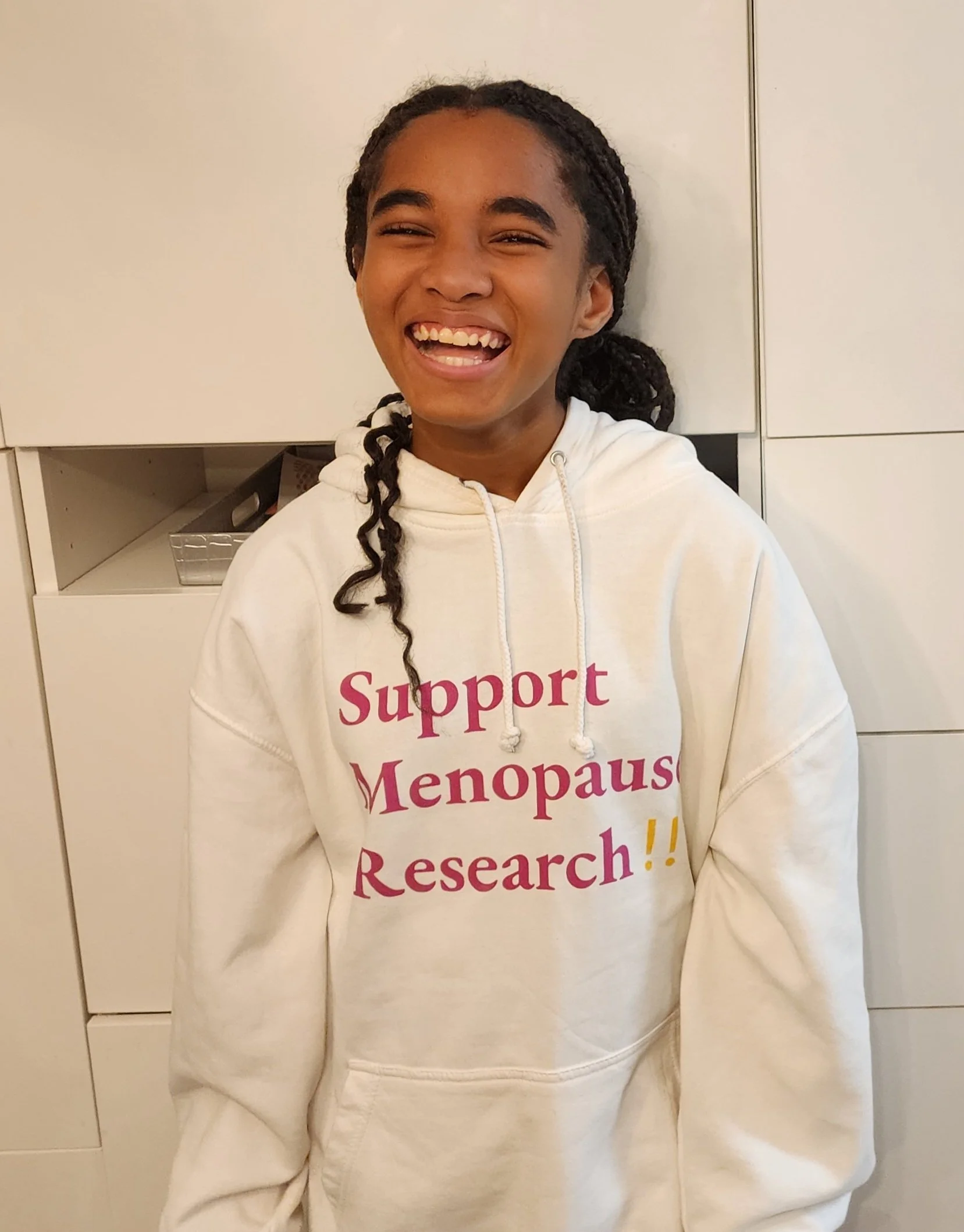
Why Youth Education Matters
Why Start the Conversation Early?Menopause affects every woman who lives long enough to experience it, yet most people receive little to no education about it growing up. As a result, many women enter midlife feeling blindsided by symptoms and unsure where to turn for support.
Teaching children about the body's full hormonal journey helps normalize menopause long before it arrives.

Help girls understand that hormones naturally change throughout life, from puberty through menopause, making future transitions feel expected rather than frightening.
Normalize the Hormonal Journey
Teaching boys about menopause prepares them to become supportive sons, partners, colleagues, and future leaders who understand women's health experiences.
Build Empathetic Allies
When we teach the complete story, menopause becomes a natural life transition and a powerful new chapter rather than something to fear or hide.
Redefine the Narrative

Whether you're talking with a daughter, son, student, niece, nephew, or grandchild, these free guides provide age-appropriate conversation starters, science-backed information, and practical ways to discuss menopause with confidence.
Free Menopause Education Toolkits
What's Included:
✓ Talking to Girls About Perimenopause & Menopause
✓ Talking to Boys About Perimenopause & Menopause
✓ Parent conversation guides
✓ Easy-to-understand science and terminology
✓ Real-world examples and discussion prompts
Receive both toolkits instantly.

MPowered Menopause Expands Advisory Council
In The NewsMPowered Menopause recently welcomed Dr. Rochelle Collins and Dr. Samantha Dunham to its Advisory Council, strengthening the organization's commitment to evidence-based education, advocacy, and women's health leadership.

Changing the Conversation Starts Today
For too long, menopause has been treated as something women discover only after symptoms begin. By educating the next generation now, we can build a future where menopause is understood, supported, and openly discussed.